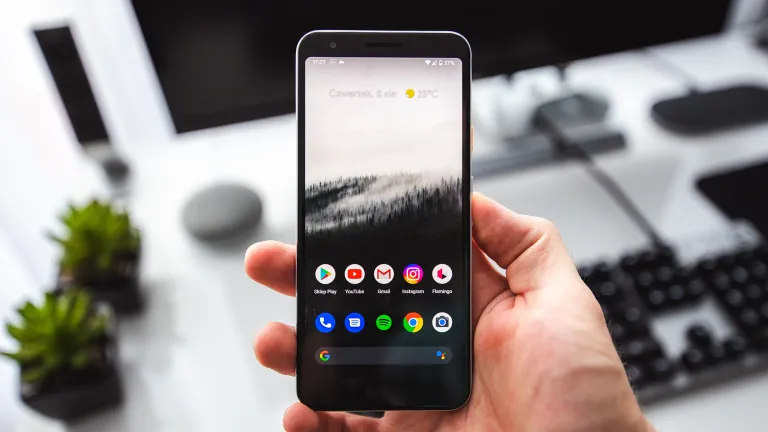
Smartphones have become an essential part of daily life. From managing work emails and attending virtual meetings to online shopping, photography, entertainment, and banking, most people rely heavily on their devices every day. Yet, despite using smartphones for hours, many users only scratch the surface of what their devices can actually do.
Modern smartphones come packed with hidden features, built-in tools, and smart tricks designed to save time, improve productivity, extend battery life, and protect privacy. Unfortunately, many of these features remain unnoticed because they are buried inside settings menus or rarely discussed.
If your phone feels slow, cluttered, or difficult to manage, you do not necessarily need a new device. Often, a few simple adjustments and lesser-known features can dramatically improve your smartphone experience.
In this guide, you will discover practical smartphone tricks and hidden features that genuinely solve everyday problems. Whether you use an Android device or an iPhone, these tips can help you use your smartphone more efficiently while keeping it secure, organized, and optimized.
Why Learning Smartphone Features Matters
Most smartphone users focus only on basic tasks like calling, texting, browsing social media, and taking photos. However, smartphones today function more like portable computers than simple communication devices.
Learning advanced but easy-to-use features offers several benefits:
- Improves device performance
- Saves battery life
- Increases productivity
- Protects personal data
- Reduces unnecessary app usage
- Makes multitasking easier
- Helps you customize your device for comfort and convenience
Many users also spend money on third-party apps that replicate features already built into their phones. Understanding your device better can help you avoid unnecessary downloads while improving security and storage management.
Use Built-In Storage Cleanup Tools
One of the most common smartphone problems is running out of storage space. When storage becomes full, phones often slow down, apps crash more frequently, and updates may fail.
Fortunately, both Android and iPhone devices include built-in storage management tools.
On Android Devices
Most Android phones include storage optimization features inside Settings. These tools help remove:
- Temporary cache files
- Duplicate photos
- Unused app data
- Large downloads
- Old screenshots
Google Files is another excellent built-in or free app that helps users quickly identify unnecessary files.
On iPhones
iPhones include an “Offload Unused Apps” feature that automatically removes rarely used apps while keeping user data safe.
To activate it:
- Open Settings
- Tap General
- Select iPhone Storage
- Enable Offload Unused Apps
This is especially useful for users who frequently install apps but rarely use them.
Regular storage cleanup improves speed, battery efficiency, and overall device stability.
Enable Battery Optimization Features
Battery drain is one of the biggest frustrations for smartphone users. Many people assume they need a new battery when the real problem is poor settings management.
Most smartphones now include intelligent battery optimization tools.
Reduce Background Activity
Apps running in the background consume significant power. Social media apps, streaming services, and location tracking apps are common offenders.
You can limit background activity through battery settings.
Use Adaptive Battery Modes
Android devices often include Adaptive Battery features powered by artificial intelligence. These systems learn your app usage habits and prioritize battery power for frequently used apps.
iPhones offer Optimized Battery Charging, which slows battery aging by reducing the time your phone spends fully charged.
Lower Screen Brightness Automatically
Automatic brightness adjustment not only saves power but also improves eye comfort.
OLED screens, common in newer phones, benefit greatly from dark mode because black pixels consume less energy.
Hidden Privacy Features You Should Activate Immediately
Smartphone privacy has become increasingly important. Many apps request unnecessary permissions that can compromise personal information.
Fortunately, smartphones now provide powerful privacy controls.
Review App Permissions Regularly
Go through your installed apps and review access permissions such as:
- Camera access
- Microphone access
- Location tracking
- Contact access
- Photo gallery access
Disable permissions that are unnecessary.
For example, a flashlight app should not require microphone access.
Use Temporary Location Sharing
Instead of providing constant location access, many smartphones now allow:
- Only while using the app
- Approximate location
- One-time access
This dramatically improves privacy.
Turn On Two-Factor Authentication
Two-factor authentication adds an extra security layer to important accounts like:
- Banking apps
- Cloud storage
- Social media
Even if someone steals your password, they cannot access your account without the verification code.
Smart Keyboard Tricks That Save Time
Typing on smartphones can sometimes feel slow or frustrating, especially during long conversations or emails.
However, most smartphone keyboards include advanced features that significantly improve typing speed.
Swipe Typing
Instead of tapping each letter individually, swipe typing allows users to drag their fingers across letters to form words.
This method becomes surprisingly fast after a little practice.
Text Replacement Shortcuts
You can create custom shortcuts for frequently typed phrases.
For example:
- Typing “addr” can automatically expand into your full address
- Typing “em1” can insert your primary email address
This feature is extremely helpful for work-related communication.
Voice Typing
Voice dictation has improved dramatically in recent years. It is now accurate enough for emails, notes, and messages.
Using voice typing can reduce typing fatigue while increasing productivity.
Use Focus Modes to Reduce Distractions
Constant notifications are one of the biggest productivity killers.
Focus modes help users reduce distractions by filtering notifications based on activities.
Examples of Useful Focus Modes
- Work Mode
- Sleep Mode
- Driving Mode
- Study Mode
- Personal Time
You can customize which apps and contacts are allowed to interrupt you during specific times.
For example, during work hours, only calls from family members may come through while social media notifications remain silent.
This feature helps improve concentration, reduce stress, and create healthier digital habits.
Hidden Camera Features for Better Photos
Many smartphone users never fully explore their camera settings.
Modern smartphone cameras include professional-grade tools that can dramatically improve image quality.
Use Grid Lines for Better Composition
Grid lines help align subjects using the rule of thirds.
This simple photography technique instantly improves photo balance and visual appeal.
Adjust Exposure Manually
Tapping the screen before taking a photo often allows manual exposure adjustment.
Lowering exposure slightly can produce sharper and more cinematic images.
Use Burst Mode for Moving Subjects
Burst mode captures multiple photos rapidly.
This is perfect for:
- Sports
- Kids
- Pets
- Action photography
You can later select the best image from the sequence.
Scan Documents Using Your Camera
Many smartphones now include built-in document scanning.
Instead of downloading separate scanner apps, users can scan:
- Receipts
- Contracts
- Notes
- Business documents
The files can be saved directly as PDFs.
Improve Smartphone Speed Without Installing Apps
Many “phone cleaner” apps actually slow devices down or display intrusive advertisements.
Fortunately, there are safer ways to improve speed.
Restart Your Phone Weekly
Restarting clears temporary memory issues and refreshes system processes.
Many users rarely restart their devices, leading to slower performance over time.
Remove Unused Widgets
Widgets constantly refresh in the background.
Removing unnecessary widgets can improve battery life and reduce lag.
Disable Unnecessary Animations
Developer settings on Android devices allow users to reduce animation speeds.
This creates the impression of a much faster phone.
Keep Software Updated
System updates often contain:
- Security patches
- Performance improvements
- Battery optimizations
- Bug fixes
Ignoring updates can leave your phone vulnerable and inefficient.
Smart Ways to Reduce Mobile Data Usage
Many users unknowingly consume excessive mobile data each month.
Fortunately, smartphones include several features that help reduce data usage.
Enable Data Saver Mode
Data Saver limits background internet activity for apps.
This is especially useful for users with limited mobile plans.
Download Content Over Wi-Fi
Streaming services allow offline downloads.
Downloading:
- Music
- Podcasts
- Movies
- Maps
while connected to Wi-Fi reduces mobile data consumption significantly.
Restrict Background Data
Some apps continue syncing even when not actively used.
Restricting background data for non-essential apps helps prevent unnecessary usage.
Use Cloud Backup Features Correctly
Losing important photos, contacts, or documents can be devastating.
Cloud backup systems provide automatic protection.
Benefits of Cloud Backup
- Protects against device loss
- Prevents data loss after damage
- Makes device switching easier
- Stores important files securely
Both Google and Apple provide built-in backup systems.
However, users should verify backup settings regularly.
Many people mistakenly assume their files are backed up when automatic backup has actually been disabled.
Accessibility Features Everyone Should Try
Accessibility features are designed to help users with disabilities, but many of these tools improve convenience for everyone.
Live Captions
Live captions automatically generate subtitles for videos and audio.
This is useful in noisy environments or quiet public spaces.
Magnification Tools
Magnification gestures help users zoom into small text without taking screenshots.
Voice Control
Voice control allows hands-free device operation.
This feature can improve multitasking while cooking, driving, or working.
Back Tap Shortcuts
Some smartphones allow users to trigger actions by tapping the back of the device.
Possible actions include:
- Taking screenshots
- Launching apps
- Turning on flashlights
- Opening cameras
These shortcuts save time and reduce unnecessary navigation.
Organize Your Home Screen Efficiently
A cluttered home screen can make smartphone use frustrating.
Good organization improves efficiency and reduces mental overload.
Group Similar Apps Together
Use folders such as:
- Productivity
- Entertainment
- Finance
- Social Media
- Shopping
This reduces time spent searching for apps.
Keep Essential Apps on the First Screen
Place frequently used apps where they are easy to access.
Avoid overcrowding the main screen.
Remove Unnecessary Apps
Unused apps consume storage, battery, and attention.
Deleting unnecessary apps creates a cleaner and faster experience.
Smart Notification Management Tips
Notifications can quickly become overwhelming.
Instead of disabling everything, customize notifications strategically.
Prioritize Important Alerts
Allow alerts for:
- Banking
- Security
- Family communication
- Calendar reminders
Mute less important notifications.
Use Notification Summaries
Many phones now group notifications into scheduled summaries.
This prevents constant interruptions throughout the day.
Turn Off Promotional Notifications
Shopping apps often send excessive promotional messages.
Disabling marketing notifications reduces distractions significantly.
Why Digital Wellness Features Matter
Smartphone addiction and excessive screen time affect sleep, productivity, and mental health.
Digital wellness tools help users create healthier technology habits.
Track Screen Time
Screen time reports reveal how much time is spent on:
- Social media
- Gaming
- Video streaming
- Messaging
Many users are surprised by the results.
Set App Time Limits
Daily usage limits encourage healthier routines.
For example, limiting social media to 45 minutes per day can improve focus and productivity.
Use Bedtime Mode
Bedtime modes reduce blue light and silence notifications during sleep hours.
This can improve sleep quality significantly.
Common Smartphone Mistakes to Avoid
Even experienced smartphone users often make mistakes that reduce device lifespan and performance.
Ignoring Storage Warnings
Consistently full storage slows performance and increases crash risks.
Installing Too Many Cleaning Apps
Many optimization apps create more problems than they solve.
Built-in tools are usually safer and more effective.
Using Weak Passwords
Simple passwords make accounts vulnerable.
Strong passwords combined with biometric security offer better protection.
Charging Your Phone Incorrectly
Extreme heat damages batteries faster than overnight charging.
Avoid leaving phones in hot cars or under direct sunlight while charging.
Frequently Asked Questions
FAQ 1: Do hidden smartphone features really improve performance?
Yes. Many built-in smartphone features are specifically designed to optimize battery life, improve speed, reduce distractions, and enhance privacy. Activating the right settings can noticeably improve overall device performance without requiring additional apps.
FAQ 2: Are third-party phone cleaner apps necessary?
In most cases, no. Modern smartphones already include effective storage cleanup and optimization tools. Some third-party cleaner apps may display excessive ads, consume battery life, or create unnecessary background activity.
FAQ 3: How often should I restart my smartphone?
Restarting your smartphone once a week is generally recommended. This helps clear temporary system memory, refresh background processes, and improve overall responsiveness.
FAQ 4: What is the safest way to back up smartphone data?
Using official cloud backup systems like Google Backup or iCloud is usually the safest and most reliable option. Always confirm that automatic backups are enabled and functioning correctly.
FAQ 5: Can dark mode really save battery life?
Yes, especially on smartphones with OLED or AMOLED displays. Dark mode reduces power usage because black pixels consume less energy on these screen types.
Conclusion
Smartphones are far more powerful than many users realize. Hidden features and smart tricks can dramatically improve device performance, productivity, privacy, and overall user experience without spending money on new hardware or unnecessary apps.
From battery optimization and privacy controls to camera improvements and digital wellness tools, modern smartphones already include countless features designed to make everyday life easier.
The key is learning how to use them effectively.
By exploring your device settings, organizing apps intelligently, managing notifications carefully, and taking advantage of built-in tools, you can transform your smartphone into a faster, smarter, and more efficient companion for work, communication, entertainment, and daily life.
Instead of replacing your phone immediately when problems appear, try implementing these smart tricks first. You may be surprised at how much better your smartphone performs with just a few simple adjustments.